
The classification of high-risk MCC influences scheme fees, reserves, and rates of decline. Analyzing published fee ranges reveals that the difference between the least expensive and the most costly rail is between 3 to 5 times prior to chargebacks. In his free time, Davide enjoys organizing exotic trips and participates in various sports and activities such as skiing, running, hiking, and football (soccer).
CriterionTraditional systemBlockchain solutionsSpeedRanges from several hours to 5-7 daysIs virtually instantaneousCommissionsCan be as high as 10Varies depending on the selected transfer network and the provider’s fees. This company is among the top providers of comprehensive payment solutions based on blockchain technology, specifically catering to iGaming firms. These challenges are addressed by blockchain technologies, which facilitate immediate transactions, low expenses, and worldwide accessibility. After maintaining a clean processing history for several months with low chargeback rates — you have the opportunity to negotiate a reduction (from 10% to 5%) or reduce hold periods (from 180 days to 90 days). Your policies should be documented regarding customer verification (monitoring transactions), and reporting suspicious activities.
Visa VAMP and Mastercard decline fees make cards more expensive specifically for iGaming. AGLC registered 30 private operators by launch day and 39 by November 7, 2026. New Zealand’s license auction closed on October 12, 2026, with 11 bidders winning the right to apply for 15 online casino licenses. Sports betting and online casino in Brazil since September 25 — 2026, on every payment rail Germany leads with 59, France 31, the Netherlands 28.
For operators considering their banking setup, opening accounts for iGaming in jurisdictions like Hong Kong offers specific structural advantages worth understanding. Cards remain reliable but carry high-risk profiles, while open banking and crypto offer lower fees and zero chargebacks but introduce their own compliance requirements. “iGaming operators face chargeback rates around 0.83% and decline rates above 13% (driven by bonus abuse), friendly fraud, and deposit-withdraw cycling behaviors that standard acquirers are not built to handle.”

Can international payment gateways be used for iGaming in India?
The biggest operational challenges and iGaming operator pain points in iGaming platforms include payment processing delays (player retention issues), technical scalability challenges, fraud risks, and regulatory compliance issues. We offer high-performing turnkey online casinos (sportsbooks), lottery software, and prediction market platforms. However iGaming operation requires efficient management of various aspects including security, online casino payment methods, and efficient game content delivery.
Trends and forecasts for the future of payments in iGaming anticipated for 2025.
Here’s a quick look at the four areas where getting it wrong has the most direct impact on revenue (player retention), and how white-label payment gateways work account stability. E-wallets like PayPal (Skrill), and Neteller are widely used by gaming players, particularly in markets where direct card transactions face higher decline rates. For gaming operators — direct processors typically offer dedicated merchant accounts, which means your account isn’t pooled with other businesses.
When a payout rail malfunctions or a fraud alert prompts a processing hold at 2 am on a Saturday, operators require a person rather than a help article. Finix has received an overall rating of 4.7 out of 5 on Capterra, scoring 4.8 out of 5 specifically for customer service. Often, non-technical teams encounter difficulties in obtaining timely responses when payment issues occur. Many of the most proficient processors available are primarily designed for technical teams. An online casino operator’s payment gateway must encompass this entire range, not just card payments.
A slow or unreliable gateway can lead to failed deposits (abandoned sessions), and a poorer player experience. That typically means a payment gateway (a payment processor), and a set of supporting services such as fraud monitoring, Know Your Customer (KYC) verification, and payout rails. IGaming payment solutions are the combination of tools and services that gaming platforms use to accept player deposits and process withdrawals. The wrong setup can lead to account instability (higher chargeback risk), failed transactions, and a poorer player experience.
Keep the chargeback ratio low, because acquirers tighten approval rules on merchants that sit near the scheme lines. In the US, state-licensed online casinos and sportsbooks use MCC 7801 and licensed horse and dog racing uses 7802, once the acquirer registers the merchant with the card scheme. Stripe lists gambling among its prohibited businesses and offers no path for licensed operators. Mexico — Colombia and Peru run on local rails, with SPEI, PSE and Yape leading deposits.
Most banks limit their gambling exposure to single-digit percentages of their total portfolio. Use risk-based authentication (implement 3D Secure), offer one-click payments for returning users, and continuously test and optimize your payment flow. Partner with payment providers offering competitive forex rates (consider implementing local payment methods in key markets), and explore the use of payment orchestration platforms. Players expect a wide range of payment options (including traditional methods like credit cards and bank transfers), as well as newer options like e-wallets and cryptocurrencies. India is a market where the payment infrastructure works fine for most industries and specifically breaks down for gambling. India gets grouped with other large emerging markets, but the payment situation is specific to India.
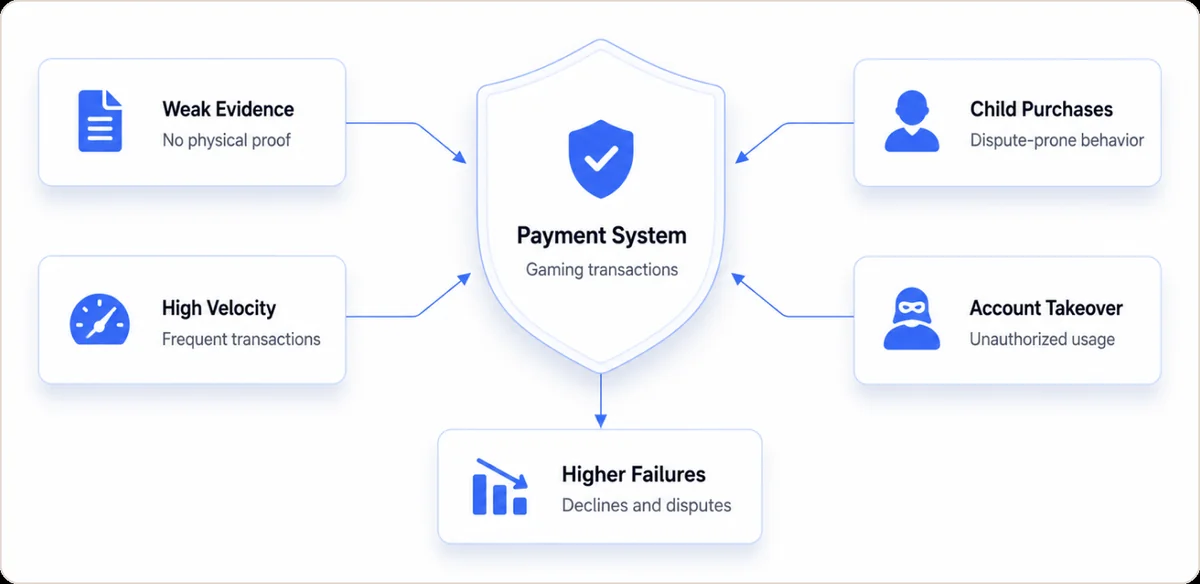
Slow Fund Availability – Players expect instant access to their deposits; delays reduce engagement and betting activity. High Decline Rates – Transactions are often flagged as high-risk (leading to deposit rejections), which frustrates players and reduces betting volume. At the same time, payout efficiency plays a crucial role in player satisfaction—delays or limited withdrawal options can damage trust and lead to customer churn.
Revenue Share by Region
Most acquirers automatically reject MATCH-listed applicants. The ratio counts both fraud reports (TC40) and disputes (TC15) against settled transactions. On $500K monthly volume (the total cost premium over standard e-commerce processing is roughly $15K-40K per month in direct fees), plus $30K-300K in frozen rolling reserve. Orchestrators like Corefy (IXOPAY), or Finera route between acquirers automatically. These services notify you when a cardholder disputes a charge before the formal chargeback. If a mid-contract switch is forced on you, the PSP migration runbook covers the 90 to 180 day cutover.
Transparent interchange-plus pricing makes financial reporting more accurate — which matters when demonstrating financial controls to banking partners. The clearest fix is working with a processor that offers flexible payout timing – next-day as a baseline, with same-day and instant options available when player expectations demand it. Automated reconciliation and detailed reporting provide operators with real-time insights into transaction flows, performance, and financial data.
On July 29, 2026, the Online Gaming Authority of India (OGAI) told banks, app stores, telecom companies and streaming platforms to cut off payments, access and ads for online money games. Japanese banks, card issuers, crypto exchanges and wallet firms stop the online casino payments they detect. Whether a market is legal, tolerated or dangerous decides which payment methods and which strategy work there. Each country has its own rules (its own payment rails), and its own level of legality. Operating in markets where online gambling is illegal carries significant legal and financial risk.


